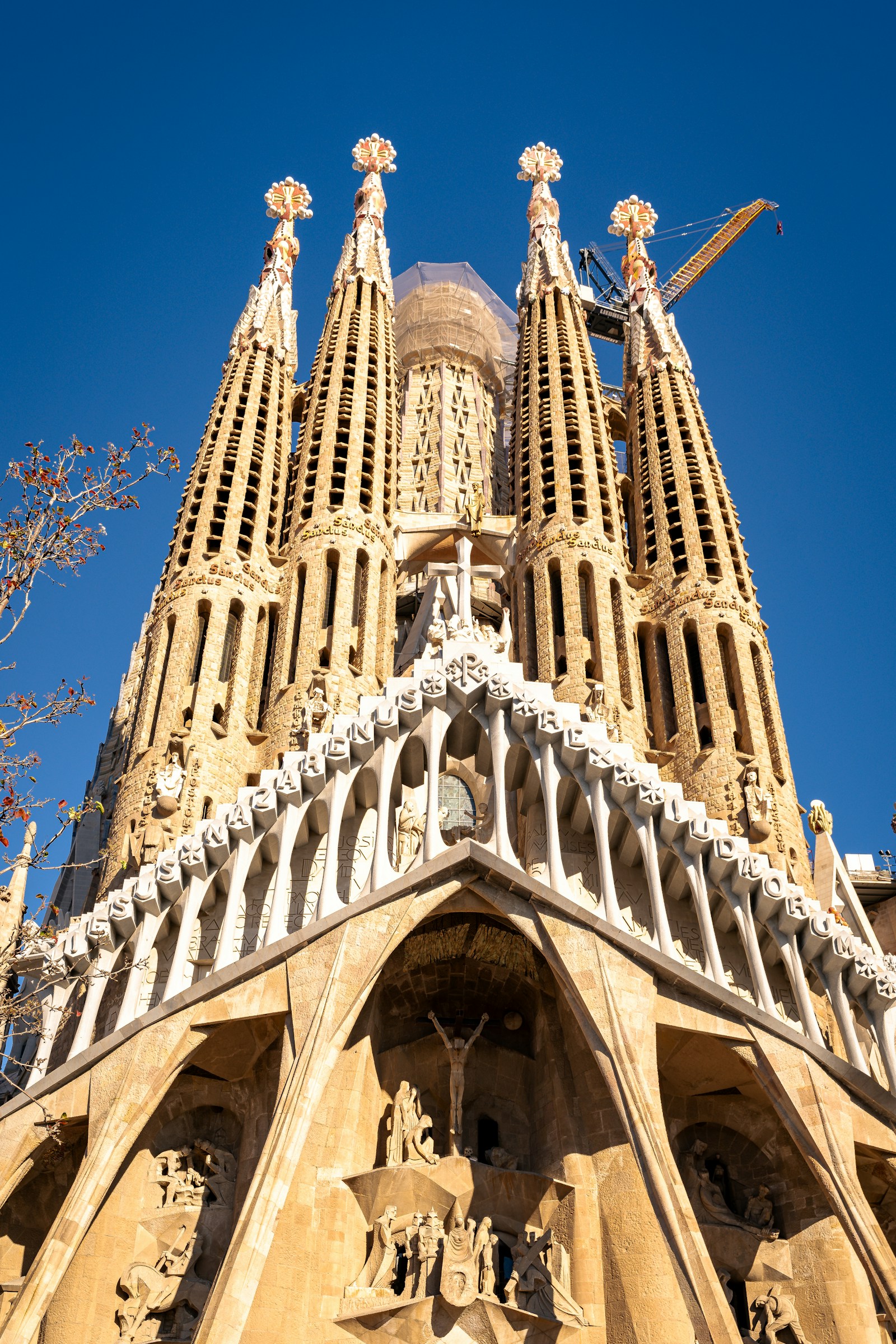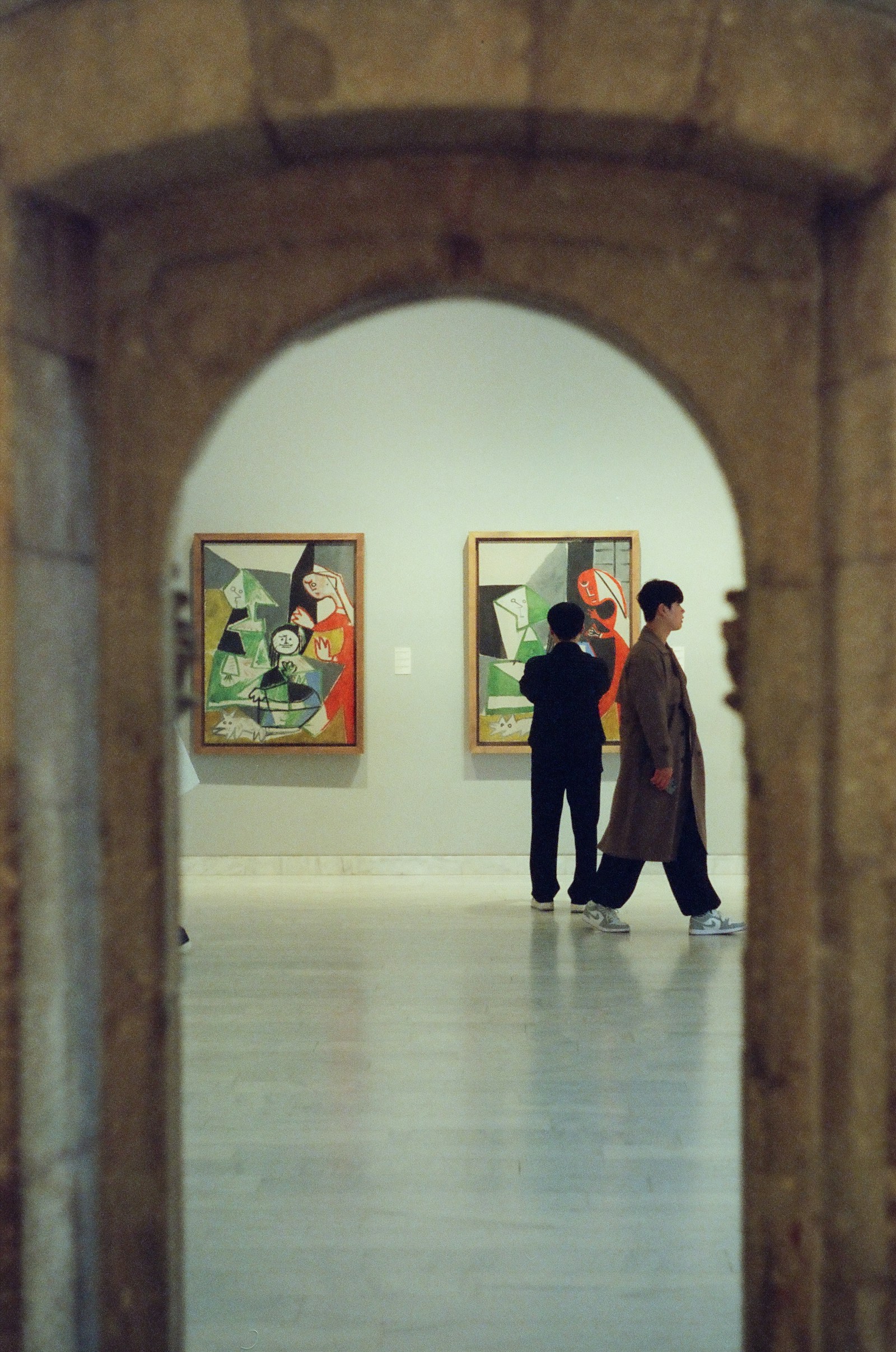
Modernisme is easy to recognise and harder to understand. Its architects designed total environments, bringing structure, craft, furniture, glass, iron and symbolism into a single idea. From PDG15, you can begin at street level rather than with a metro ride, using Passeig de Gràcia as an open-air introduction before entering one or two carefully chosen buildings.
This is a walk, not a challenge to complete three interiors. Casa Batlló, La Pedrera and the Palau de la Música Catalana each offer a different language: a remade domestic house, an uncompromising apartment block and a concert hall built around communal spectacle. See all three from outside, then decide where your curiosity deserves more time.
The Eixample makes that comparison unusually clear. Its regular blocks gave architects broadly comparable plots, but wealthy clients used their homes to express different tastes and ambitions. Look above contemporary shopfronts for carved balconies, floral ornament, patterned brick and elaborate entrance halls. Many fine buildings are private and should be admired from the pavement; the three stops below are places where the architecture can be explored responsibly from within.
Read Passeig de Gràcia as a gallery
Casa Batlló and the Block of Discord
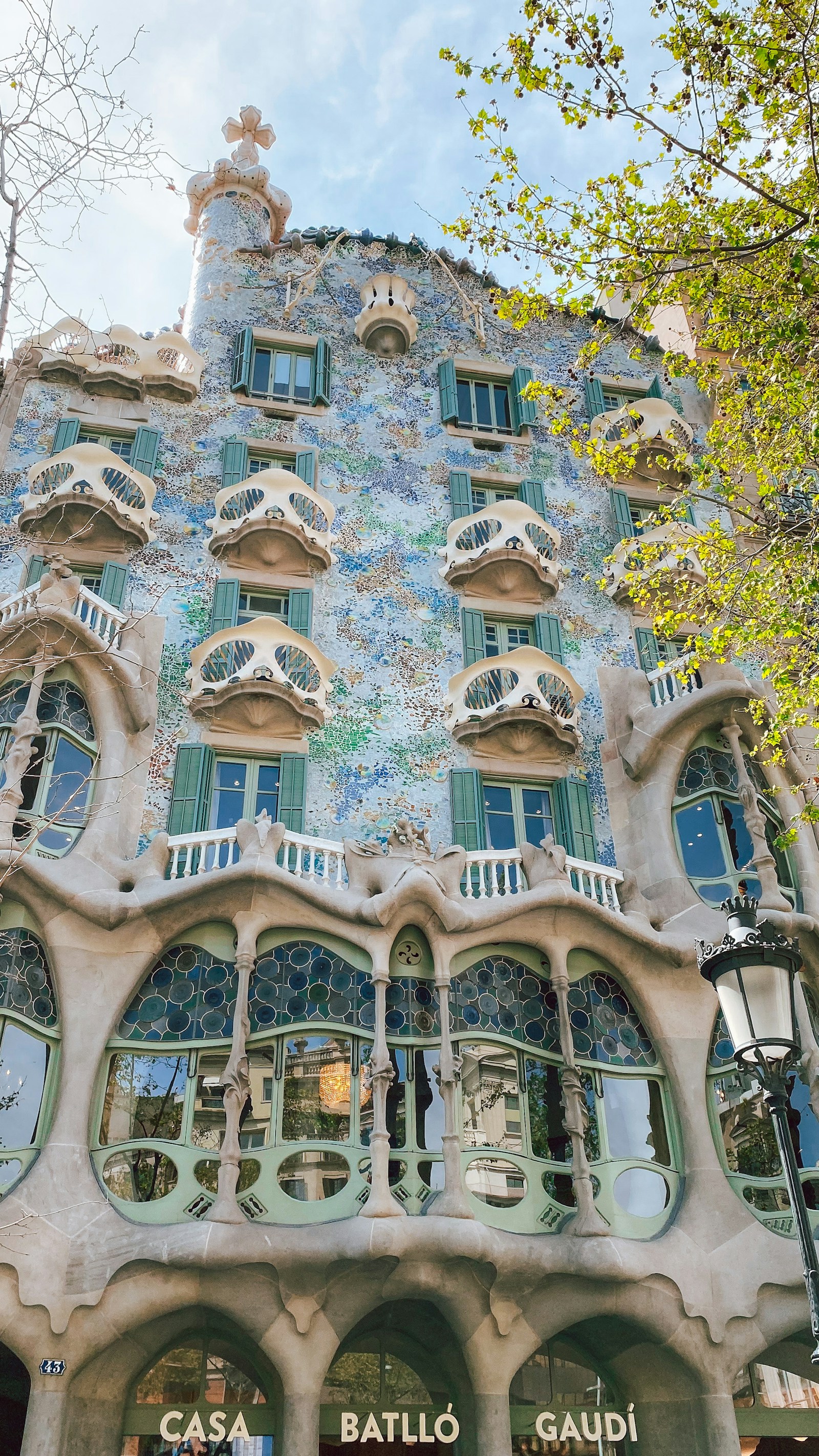
Start at the Illa de la Discòrdia, where adjoining buildings by leading Modernista architects make difference visible in a single glance. Casa Batlló is Gaudí's radical remodelling of an existing house: stone seems to soften around the windows, coloured ceramic fragments animate the façade, and the roofline resists one fixed interpretation. An interior visit reveals that the drama is also practical—light, ventilation and circulation are carefully orchestrated through the building. Timed entry is the calmest approach. Download any required official guide in advance, bring headphones, and look again at the façade after the visit; the interior changes how you read it.
Plan your visitLa Pedrera — Casa Milà
Continue north to the broad stone curves of Casa Milà, popularly known as La Pedrera. Where Casa Batlló is compressed into a narrow urban plot, La Pedrera occupies a corner with the scale of a landscape. Its courtyards draw daylight deep into the building, while the roof turns functional chimneys, ventilation towers and stairwells into a sculptural procession. The visit usually moves across several distinct levels, so allow more time than the proximity of the two houses suggests. Weather can affect rooftop access; if the roof is essential to you, check conditions and the venue's notices before committing the afternoon.
Plan your visitFollow Modernisme into the civic city
Palau de la Música Catalana
From Passeig de Gràcia, walk toward the old city for Lluís Domènech i Montaner's Palau de la Música Catalana. The setting is deliberately different: a lavish brick, mosaic, glass and ceramic façade rises from a narrow street, making the interior's sense of expansion even more remarkable. In the auditorium, the great stained-glass skylight and sculptural surfaces turn daylight into part of the performance. Choose between an architectural visit and an actual concert rather than assuming they offer the same access. A daytime tour explains the building; an evening performance lets it fulfil its purpose. The official programme is the only reliable guide to what is available on your dates.
Plan your visitBefore you go
Reserve no more than two interiors in one day unless architecture is the sole purpose of the outing. Timed tickets, security checks and audioguides make each visit longer than the walking distance implies. The pavement itself deserves attention, and façades are often easier to read from across the avenue than directly beneath them. Check accessibility and lift arrangements with each venue, pack headphones for digital guides, and remember that rooftop or balcony access may change with weather, events or conservation work.